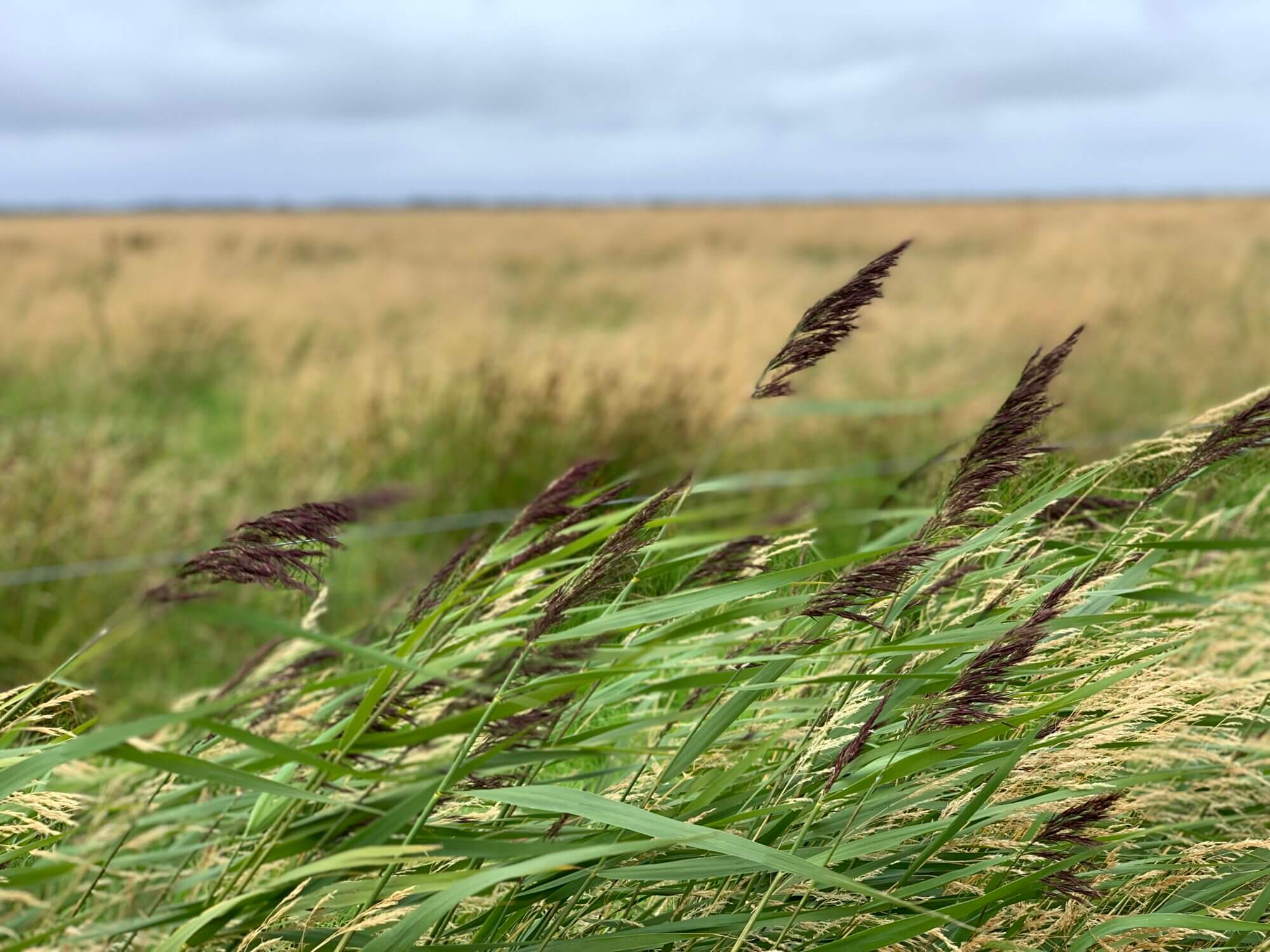
"Thip Fiskerleje" - this is how the scenic area of Tipperne was referred to in the mid-16th century. Tip means a stand of grass tufts.
The Tipper Peninsula was formed over a period of 2-300 years by a combination of sand drift and marsh formation. To stop the sand drift, the inhabitants of Sdr. Bork built a series of dikes - defences - of staves, seaweed and heather in the early 1800s, and they also planted helmets.
Today, the Tipper Peninsula is divided in two. The northern part of the area, Tipperne, is today a large bird sanctuary owned by the state. The southern part of the area, Værnengene, is privately owned and was first protected in 1974.
The area around Tipperne is rich in birdlife. If you are lucky, you can spot some of the many birds that breed in the area.
Please note that access may be restricted during certain periods for the sake of birdlife.
Follow the Danish Nature Agency's instructions.
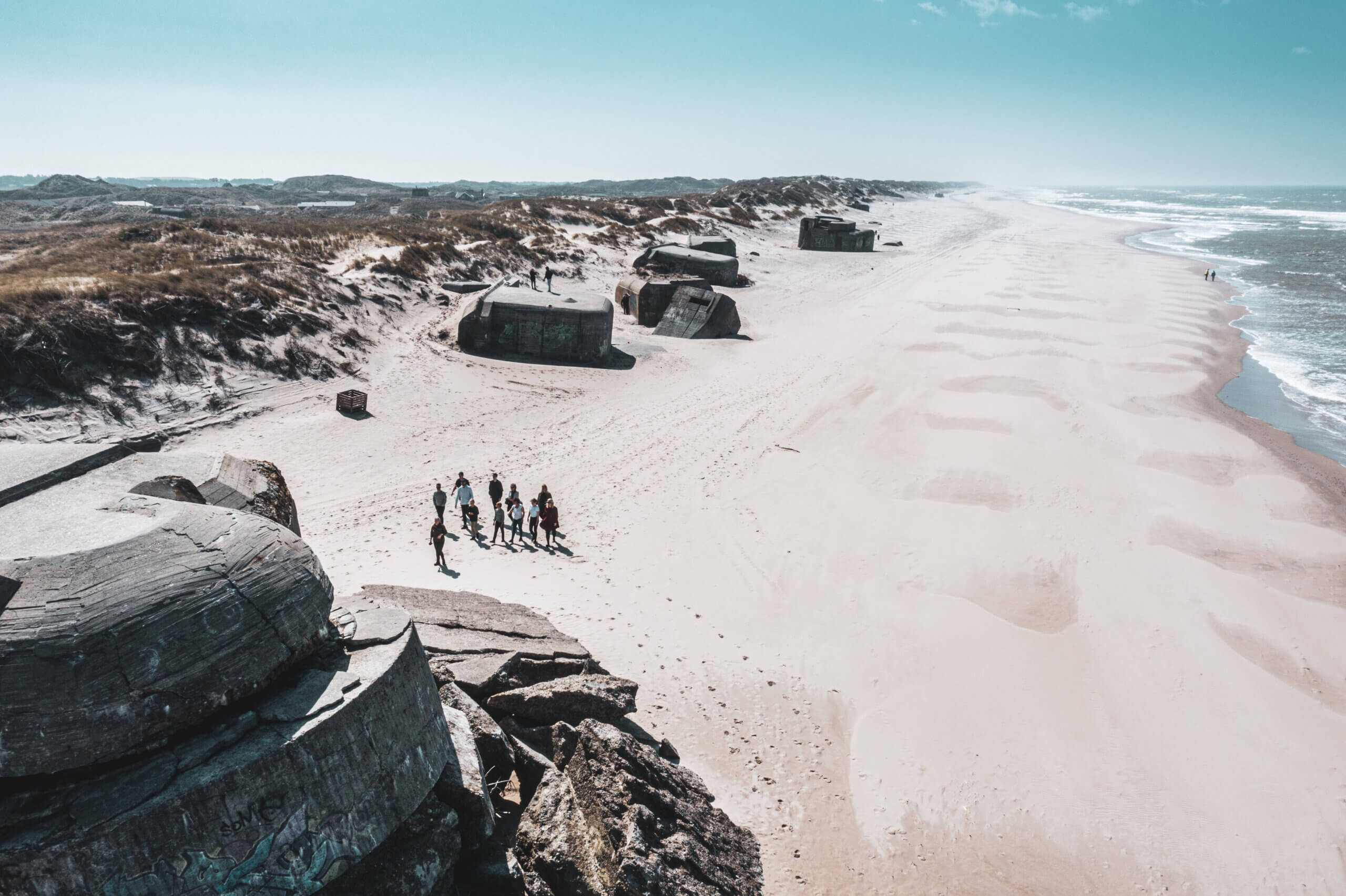
Bunker tour
September 22 at 1:00 p.m.
Please note that this bunker tour is held with German-speaking...
Skjern Vindmølle
September 27 at 1:00 p.m.
Come to Skjern Vindmølle, where dedicated volunteers are hosting...
Bunker tour
September 29 at 1:00 p.m.
Please note that this bunker tour is held with German-speaking...
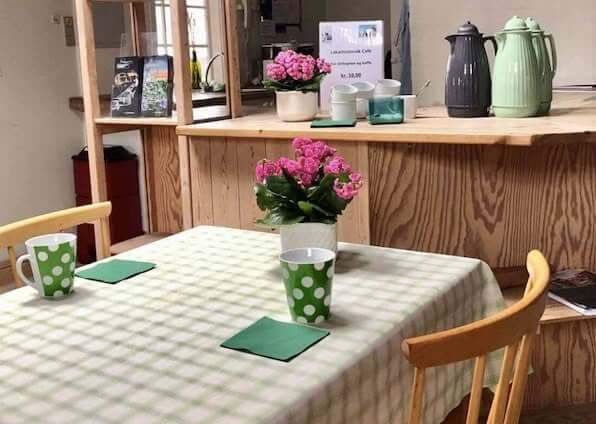
Skjern Vindmølle
September 30 at 10:00 a.m.
The local history cafés at Skjern Vindmølle offer...

Fiskeriets Hus
October 1 at 10:00 a.m.
Please note that this lock tour is held with German-speaking...
Fiskeriets Hus
October 1 at 1:00 p.m.
Please note that this lock tour is held with German-speaking...
$109
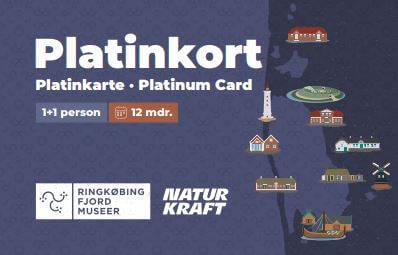
12 months free access to all our museums
1 person + 1 companion
Can be used for the Bork Viking Market, Naturkraft Dark, and Loke's Evening
Member benefit at Universe
$73
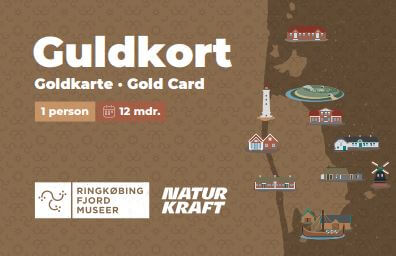
12 months free access to all our museums
1 person
Can be used for the Bork Viking Market, Naturkraft Dark, and Loke's Evening
Member benefit at Universe
349 kr
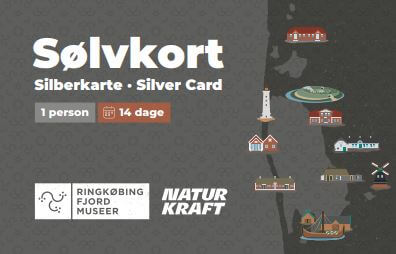
14 days free admission to all our museums
1 person
Can be used for the Bork Viking Market, Naturkraft Dark, and Loke's Evening
Member benefit at Universe