Questions and answers for Ringkøbing Fjord Museums
Ringkøbing Fjord Museums are constantly evolving. Some museum departments close or are sold, others are added. It's not always easy to see why we do what we do. But there's a clear strategy behind it, and we really want to tell you about it. On this page you can read more about what we do and why. You can also find information on how to contact us if you have a question.
Want to know more?

Museum development plan
Ringkøbing Fjord Museums adopted an ambitious development plan in 2021
The development plan, adopted by the Board of Directors and approved by the City Council of Ringkøbing-Skjern Municipality in 2021, sets the course for how we ensure a strong museum for the benefit of citizens and visitors in the municipality - now and in the future.
Read the full development plan

Debate posts
We are often in dialog in the daily press
We often engage in dialog with the local population through articles in the daily press. Here, the museum director answers questions about why we do what we do. Read, for example, why we have taken over the operation of Naturkraft or why we are closing other smaller museums.
Read the opinion piece

Questions and answers for the museum
Below you can find answers to some of the questions we are often asked about our work and priorities. The questions are grouped into topics:
- Naturkraft
- Skjern-Tarm area
- General questions about the museum's activities and operations
If you can't find an answer to your specific question, please contact us.
Naturkraft
Why would Naturkraft have forgiven such a large debt to the municipality?
When Naturkraft was launched, it was with different people at the helm. Due to Covid-19 and a pending construction case, the then city council granted Naturkraft a loan. Since then, Ringkøbing Fjord Museer has taken over operations and actually managed to turn the large operating deficit to break even and stabilized the number of visitors at approx. 45,000 annual visitors. Ringkøbing Fjord Museums would like to develop Naturkraft and make it even more attractive to both locals and tourists. But this is completely impossible if we also have to take on a debt that Ringkøbing Fjord Museer has not even been involved in creating. In fact, as a state-recognized museum, we are not allowed to take on a loan of this size.
Why did Ringkøbing Fjord Museums and Naturkraft ask for annual grants from the municipality?
One of Ringkøbing Fjord Museum's tasks as a state-recognized museum is to ensure that children and young people have good and educational experiences, and we are obliged to provide free admission to children and young people under 18. When Naturkraft is part of the museum from 2025, children and young people under the age of 18 will also have free admission to Naturkraft. As a museum, we also have many schools and kindergartens that visit us and participate in one of our exciting learning programs. This is one of the things that Ringkøbing Fjord Museum's annual grant from the municipality helps to ensure. In 2024, 2000 children have already visited Naturkraft and the museum's other visitor sites from various institutions around the municipality. Naturkraft is already receiving the grant now, all that is required is that the grant is secured by Ringkøbing Fjord Museums, which will be responsible for the overall operation of Naturkraft as of January 1, 2025.
Why should Naturkraft and Ringkøbing Fjord Museums be subsidized when there is no money for schools and the elderly?
One of the municipality's many tasks is to subsidize culture. These grants go not only to Ringkøbing Fjord Museums and Naturkraft, but to the entire culture around the municipality, and thus benefit many citizens in one way or another. Read Mette Bjerrum Jensen's debate post where she answers this question.
Is Naturkraft a museum?
Ringkøbing Fjord Museums have existed for more than 100 years - since 1908, when they started collecting historical items in Ringkøbing. Museums all over Denmark continue to be popular. This is because they change to appeal to new generations. Ringkøbing Fjord Museums has changed countless times, by opening new museums, closing old ones - such as Skjern's very first museum in Anlægget - and by merging. The latter happened when Ringkøbing and Skjern-Egvad Museums merged in 2006. In 2022, the museum started a process to merge with Fiskeriets Hus in Hvide Sande and Naturkraft. From 2025, both sites are now part of Ringkøbing Fjord Museums. So although neither of the two places started out as primarily a museum - they are now museums. The most important thing a museum in our region can do is to be the place where we can get close to the history of West Jutland. Many stories about life at sea and on Holmsland Kilt have been collected at Fiskeriets Hus . At Naturkraft you can experience many of the stories that the museum has been telling for more than 50 years: about the straightening and silting up of Skjern Å, about Bagges Dam and the lock at Hvide Sande, about the former sea fishing and about the moor's thousand-year history as a cultural landscape. Ringkøbing Fjord Museums have been telling these stories since the 1990s. We continue to tell these stories, but now for many more visitors every year at Naturkraft - where we can inspire many more people to go out into nature and see where history took place.
Does all the museum's money go to Naturkraft?
It is not possible to run a museum without public support from the state and municipality. In Ringkøbing-Skjern Municipality, the support funds are amply returned because tourist attractions with cultural-historical quality attract tourists who spend money with a wide range of local businesses. Neither Bork Vikingehavn, Fiskeriets Hus, Lyngvig Fyr or Naturkraft would be able to function without support.
Naturkraft has had a difficult start, and the attraction's survival has depended on both the museum and Ringkøbing-Skjern Municipality making new investments to save the first major investments and the great potential that already exists, so that Naturkraft becomes an even greater asset in the local cultural life. However, these investments have been diverted from the museum's own attraction development at some of the other visitor sites along the coast. The reduction in the level of activity at small sites with very few visitors and very large maintenance backlogs would also have been implemented even if Naturkraft was not part of the museum.
Skjern-Tarm area
Does the museum see value in Bundsbæk Mølle and the area around it?
Bundsbæk Mølle and Bjørnemosen are natural and cultural gems that must be preserved for the future. The museum owns the mill and the bog and sees it as an important responsibility to preserve both the building and the natural area. However, the level of activity in the Bundsbækkom area in the past has proved unable to attract enough visitors. Despite major investments in buildings, a Christmas market, exhibitions, etc. it has not been possible to reverse this trend. As a result, Ringkøbing Fjord Museums has had to reduce museum operations in the area - a decision that was written into the development plan from 2021. Dejbjerg Iron Age is closed and the exhibition buildings may be moved to Bork. The offices and workshops at the nearby Bundsbæk Møllegård will be closed and the buildings sold.
Ringkøbing Fjord Museer supports the establishment of an association for volunteers with a commitment to Bundsbæk Mølle. The group behind the new association plans to hold a founding general meeting in 2025. In the coming years, activities will be held in collaboration between the museum and volunteers.
Is the Rakkerhuset in Bjørnemosen cultural heritage worthy of preservation?
It is not known for certain when the original Bjørnemosehus was built, but it was probably in the early 1800s. The last residents of the "poorhouse" were the rascals Mette Mus and Niels Kvembjerg, who moved in around 1898 and lived there until 1932, when they were sent to a retirement home in Skjern. After that, the house fell into disrepair and eventually the ruins were removed. The house that stands today in Bjørnemosen was rebuilt in the 1990s where the old house stood. In other words, the house is not original, but has been used as a backdrop for racket games and the dissemination of history. Therefore, the house is not worthy of protection or preservation, and the house itself is not part of our cultural heritage. The story of the rackets, on the other hand, is part of our cultural heritage. It is preserved in the museum's collections and is told in ways that have changed over time according to the tastes of the time and the visitors: In books, in rakker games, on posters in the places where the rakers walked and lived, in connection with hiking routes, in exhibitions and on guided walks.
Does Skjern matter to the museum after the change of director in 2018?
Ringkøbing Fjord Museums is the museum of the entire Ringkøbing-Skjern municipality. The closure of small, maintenance-intensive visitor centers in the Skjern-Tarm area is not an expression of a lack of interest in local history, but a necessary adjustment of the amount of offers in relation to population, tourism and visitor numbers. The closure of small visitor sites with very low visitor numbers and the reduction of activities in the Bundsbækkom area frees up resources for local historical engagement elsewhere. In collaboration with the Skjern and Tarm development forums, the museum is preparing a large historical book about the area, which will be published in summer 2025. Ringkøbing Fjord Museums runs the Local History Archive for Skjern, and the museum makes the facilities at the newly refurbished Skjern Vindmølle available to associations and volunteers, just as the many people who enjoy nature in Skjern Enge can experience the newly refurbished Provstgaards Jagthus for free.
General questions for the museum
Why doesn't the museum take better care of its buildings?
When Ringkøbing Fjord Museer made its latest development plan in 2021, we had around 70 buildings to maintain. 22 of them were thatched. All but two small thatched roofs needed to be replaced within five years. Although the museum has seen an increase in visitors over the years, it has not been possible to build up a large enough maintenance budget for so many buildings. The museum board therefore agreed that the number of buildings should be reduced. This means that some museums will be closed, storage facilities will be consolidated, offices will be consolidated and some buildings will be rented out or sold off. Hattemagerhuset, Gåsemandens Gård and Dejbjerg Iron Age were some of the places that were planned to close. Since 2020, the museum has prioritized the maintenance of the listed buildings Abelines Gaard and Bundsbæk Mølle. In addition, we have put a new thatched roof and secured several houses in the reconstructed environment in Bork Vikingehavn and at Fahl Kro. We plan to move and rebuild the former exhibition building at Dejbjerg Iron Age to Bork Vikingehavn and reuse the wood from the Iron Age houses here. In addition, we have prepared to move offices and storage space together in fewer square meters. We can only do one thing at a time, so it takes time - but we're on schedule and on the right track.
Does all the money go towards the CEO's salary?
The salaries of the museum's director and other senior management are not high in comparison with salaries in companies or public institutions with similar budgets and staff. The collaboration between Ringkøbing Fjord Museums and Naturkraft has not resulted in salary increases for the management.
Do you have any questions for us?
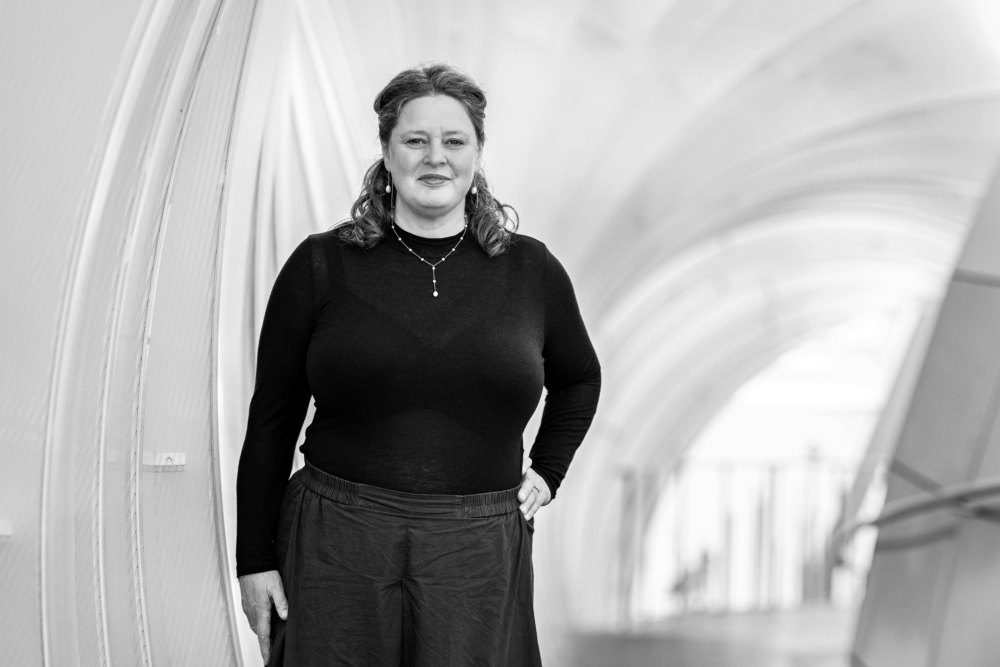
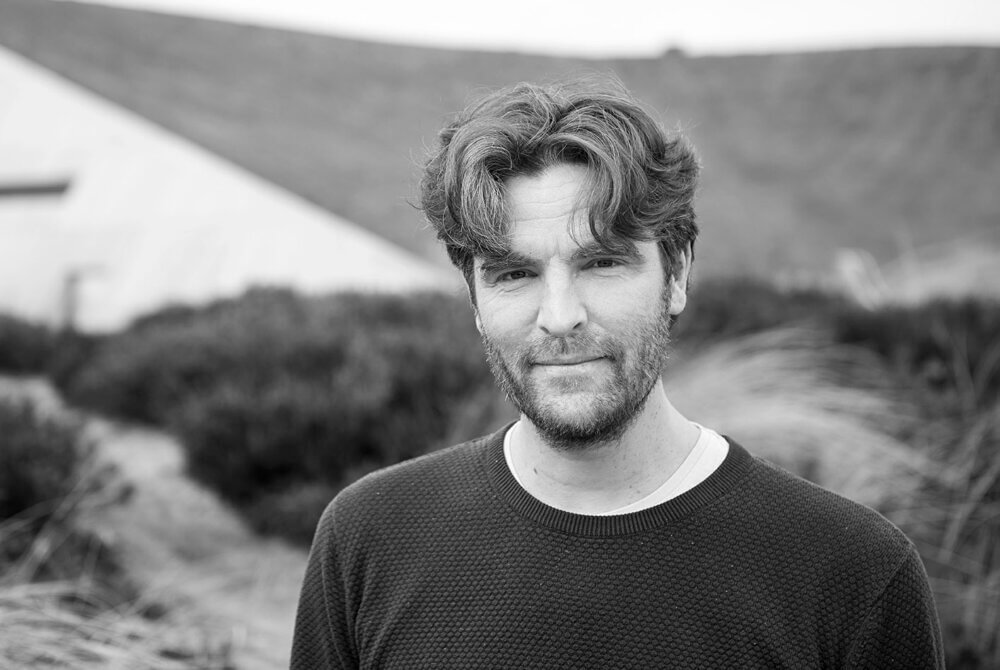
Are you wondering why we do what we do at Ringkøbing Fjord Museums? Then do not hesitate to contact us. You are welcome to contact the museum's director, Mette Bjerrum Jensen, or the museum's management and board of directors.
Museum management
Museum board of directors

Lisbeth Valther
Chairperson of Ringkøbing Fjord Museums, appointed on the basis of specific expertise
lisbeth@viascope.dk
Hans-Ole Jessen
Vice Chair of Ringkøbing Fjord Museums, appointed on the basis of expertise in local history
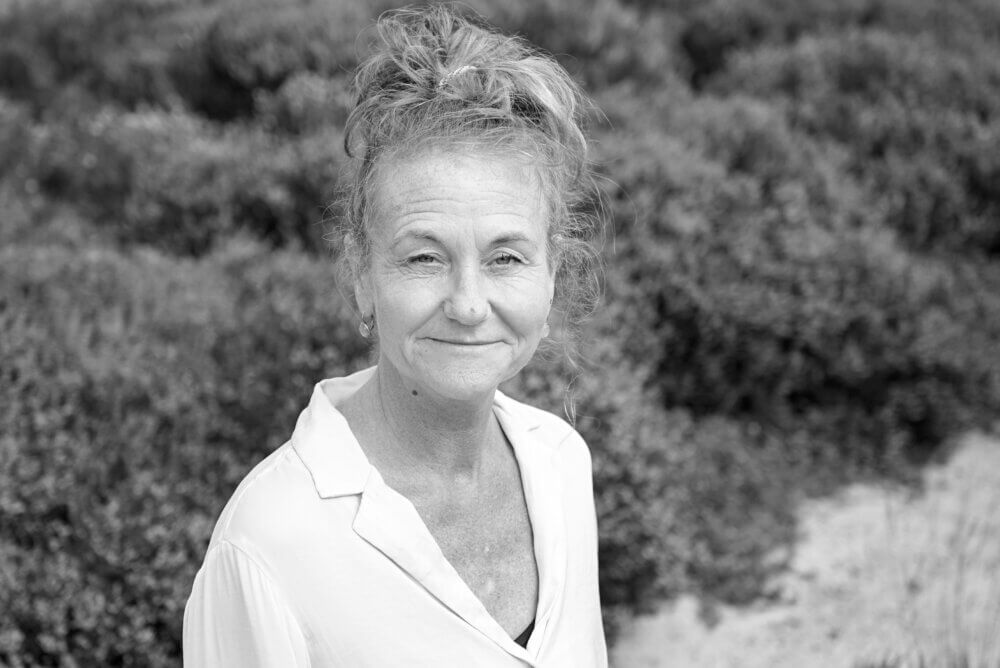
Majken Graver
Representative for Destination Vesterhavet

Lykke Nielsen Høj
Representative of the Business Council

Gitte Kjeldsen
Appointed on the basis of expertise in local history

Erik Viborg
Representative of the Culture Committee
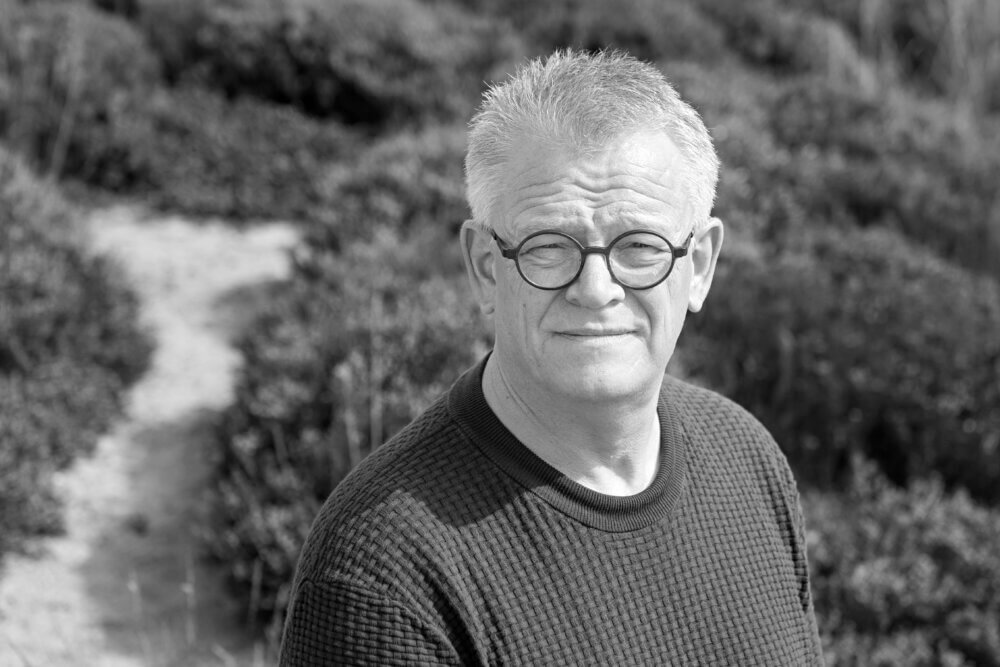
Søren Elbæk
Appointed on the basis of expertise in local history
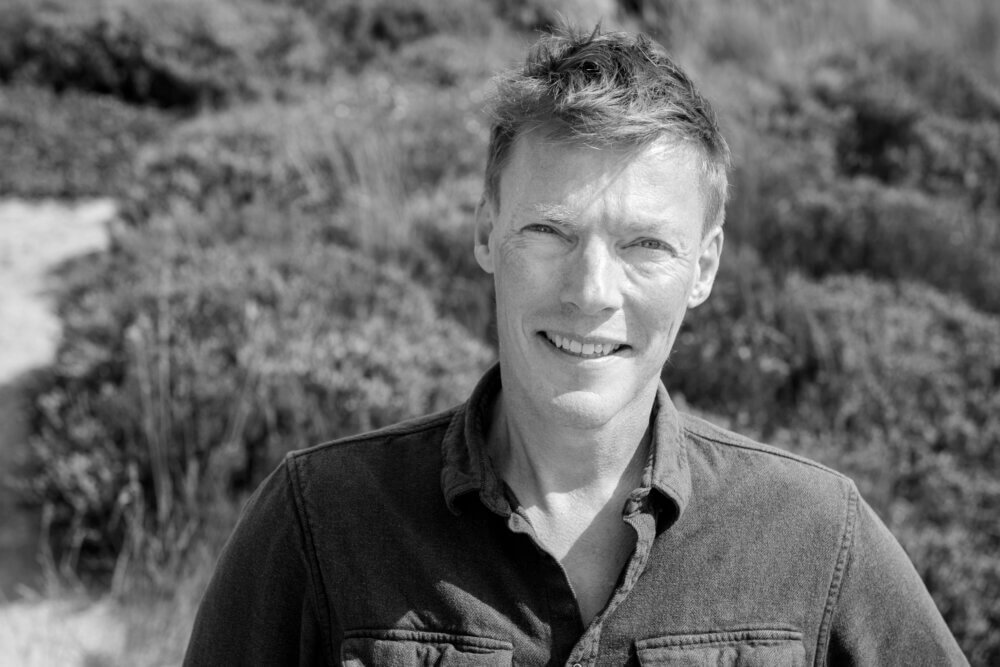
Christian Estrup
Selected on the basis of specific skills
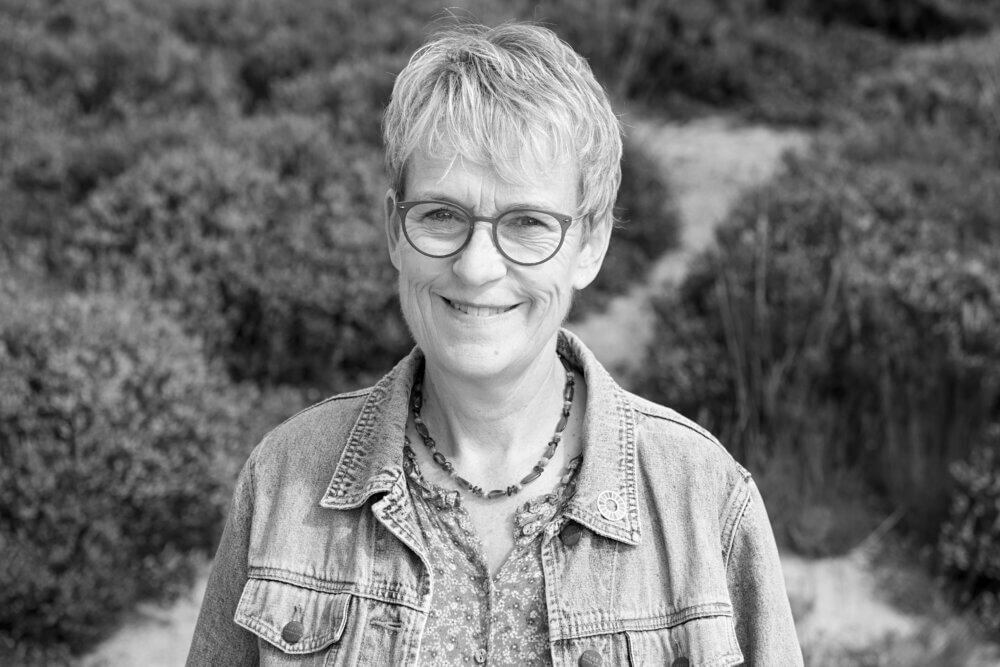
Lone Andersen
Appointed by the Finance and Coordination Committee of the Municipality of Ringkøbing-Skjern

Caroline E. Larsen
Employee representative